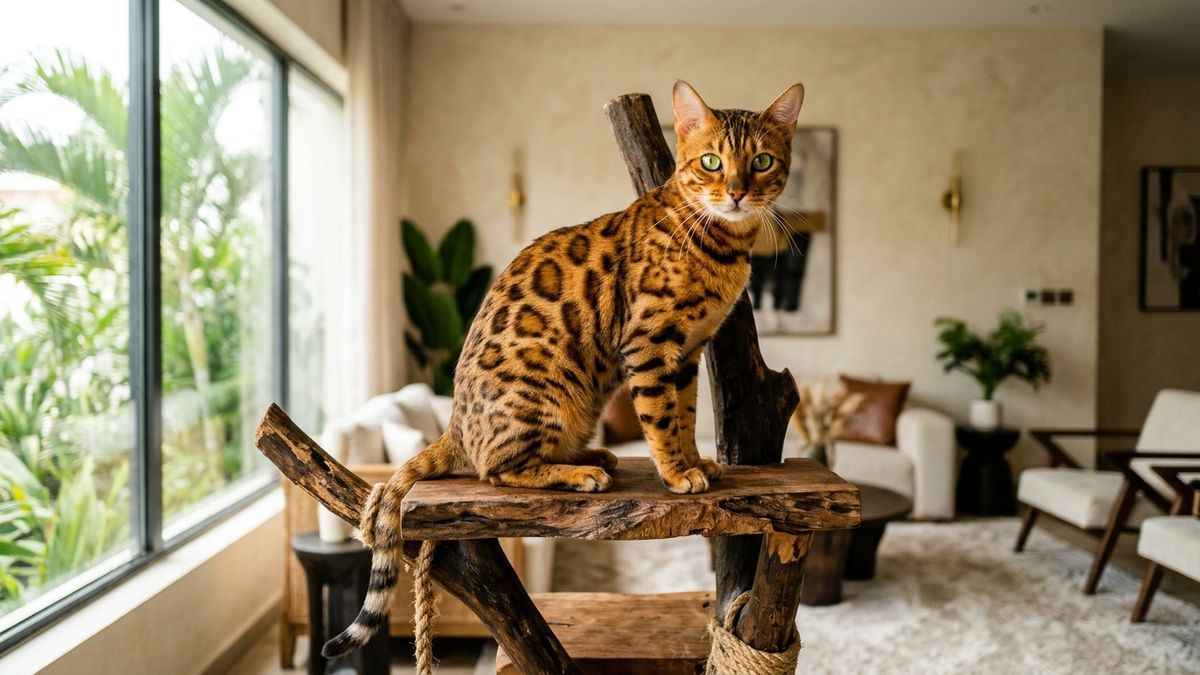
Bengal Cats in Nigeria: Leopard Spots, Wild Energy, Care Routine & Pricing Guide
Thinking of getting a mini-leopard? Discover Bengal cat prices in Nigeria, their athletic exercise needs, water obsession, feeding requirements, and finding feline care through PetMap.
With their striking rosette patterns, muscular athletic physique, and luminous glitter-dusted coats, Bengal cats look as though a miniature leopard stepped straight out of the African wild into your living room.
Originating from crossbreeding domestic cats with the Asian leopard cat (Prionailurus bengalensis), Bengals are not your average sleepy lap cats. In Nigerian households, they are high-octane conversationalists, acrobats, and energetic family members.
Bengal Cat Prices in Nigeria
Bengals are among the premium luxury cat breeds imported into or bred within Nigeria. Prospective buyers should budget realistically:
- **Pet Quality Bengal (Brown Spotted / Rosetted)**: Typically ₦1,000,000 to ₦1,800,000.
- **Snow Bengal, Silver Bengal, or Charcoal Rosetted**: ₦1,500,000 to ₦2,500,000+, depending on contrast, pedigree lineage, and breeder reputation.
- **Imported Lineage with TICA Registration**: Upwards of ₦2,500,000 when factoring in international cargo transit, veterinary import permits, and quarantine fees at Lagos MMIA.
Because Bengals require strict genetic screening for Progressive Retinal Atrophy (PRA-b) and Pyruvate Kinase Deficiency (PK-Def), reputable breeders invest heavily in the health of their breeding stock.
Personality and Exercise: This Is Not a Quiet Lap Cat
If you want a cat that will snooze on the sofa for sixteen hours a day, a Bengal is the wrong breed for you. Bengals possess relentless energy, boundless curiosity, and high canine-like intelligence:
- **Vertical Territory is Essential**: Bengals love heights. In a Nigerian flat or duplex, install sturdy multi-tier cat trees, floating wall shelves, or window perches. Without high places to climb, they will leap on top of doors, kitchen cabinets, and refrigerators.
- **Fascination with Running Water**: Unlike most cats, Bengals are infatuated with water. Do not be surprised if your Bengal sits by the bathroom sink demanding you turn the tap on, swats at shower curtains, or even jumps into a shallow bathtub.
- **Leash Walking and Harness Training**: Because Bengals are adventurous, many Nigerian owners successfully train them to walk on harnesses in secure gated estates like Ikoyi, Lekki Phase 1, or Victoria Garden City.
Nutrition and Feeding: High Protein Carnivores
Bengals have lean, muscular bodies that burn calories quickly. Their diet should prioritize concentrated animal proteins:
- **High-Meat Formulas**: Look for grain-free premium dry kibble or wet foods where real debossed poultry, rabbit, or salmon is the primary ingredient.
- **Fresh Cooked Protein Supplements**: Boiled chicken breast, turkey shreds, or beef mince (cooked strictly without salt, onions, garlic, or maggi cubes) make fantastic high-value training treats.
- **Controlled Portions**: Despite their energy, neutered or spayed adult indoor Bengals can become overweight if free-fed carbohydrates. Measure daily meals.
Keeping Your Bengal Safe & Locating Vets on PetMap
Due to their exotic look, a loose Bengal cat in an open Nigerian compound faces significant risks: theft, aggressive neighborhood dogs, or being frightened into jumping perimeter walls. Keep your Bengal strictly indoors or allow them outdoors only in a secure screened "catio" or on a leash.
For ongoing vaccinations, microchip registration, and nutritional guidance, consult verified veterinary clinics using PetMap. The PetMap.ng directory enables pet parents across Nigeria to locate reputable veterinary hospitals that understand exotic feline care, preventative deworming schedules, and safe anesthesia protocols.